
Evaluating Saas Based SCM Market Platform Capabilities For End-to-end Visibility And Collaboration
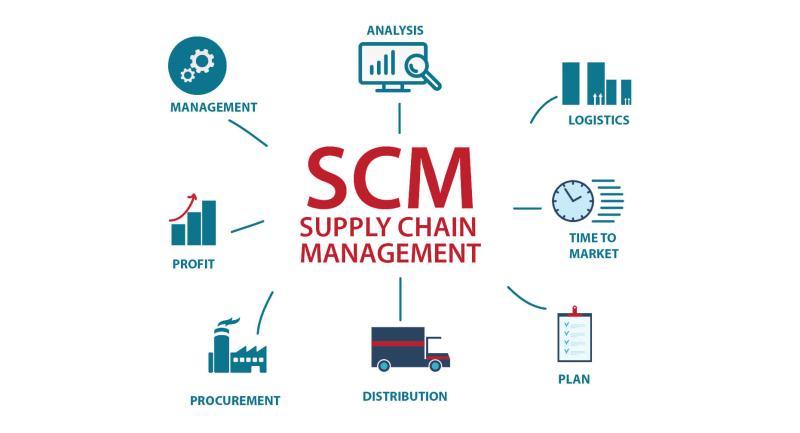
Modern Saas Based SCM Market Platform offerings function as integrated environments that connect planning, execution, and analytics across the supply chain. Core modules typically include demand planning, S&OP/IBP, supply and inventory planning, order management, transportation management (TMS), warehouse management (WMS), and procurement. Increasingly, these are augmented with control‑tower layers that aggregate events from internal and external systems, plus collaboration workspaces for suppliers, carriers, and customers. A strong platform emphasizes modularity—allowing organizations to start with one capability and expand over time—while maintaining a consistent data model and user experience.
When evaluating a SaaS‑based SCM platform, architecture and integration are critical. Cloud‑native, multi‑tenant designs allow elastic scaling, continuous delivery of updates, and standardized security controls. Robust APIs, connectors, and event‑driven integrations enable near real‑time data exchange with ERP, legacy SCM, shop‑floor, and partner systems. Data‑management capabilities—master‑data governance, data‑quality tools, and support for external data such as weather, social signals, or risk scores—determine the reliability of analytics and automation. Platforms that offer low‑code integration and workflow tools empower business teams to orchestrate processes across systems without heavy IT cycles.
Advanced analytics and AI capabilities differentiate leading Saas Based SCM Market Platforms. Demand‑sensing algorithms use short‑term signals to refine forecasts; optimization engines balance service, cost, and sustainability in inventory and network design; and machine‑learning models detect anomalies and suggest resolutions for exceptions. Prescriptive recommendations embedded directly into planners’ workspaces reduce cognitive load and speed up decision‑making. Scenario‑analysis tools allow users to model disruptions—supplier failures, port closures, demand spikes—and compare response strategies. Visualization features, such as geospatial network maps and interactive dashboards, help stakeholders grasp complex system dynamics quickly.
User experience and collaboration features are equally important. Role‑based, persona‑specific interfaces present relevant KPIs and tasks for planners, logistics managers, procurement professionals, executives, and external partners. Embedded messaging, shared workspaces, and digital workflows support cross‑functional decision processes—such as S&OP cycles or exception resolution—within the platform, reducing email chaos and version confusion. Mobile support ensures frontline workers and executives can access insights and respond on the go. Over time, platforms that combine robust functional breadth with intuitive UX, strong collaboration, and enterprise‑grade security will become the nervous systems of digitally enabled supply chains.
Top Trending Reports:
China Artificial Intelligence (AI) Market

 English
 Arabic
 French
 Spanish
 Portuguese
 Turkish
 Dutch
Dutch
 Italiano
 Russian
 Romaian
 Portuguese (Brazil)
 Greek
Greek