
IMSI Catcher Industry Dynamics Amid Evolving Security, Privacy, And Regulation Worldwide
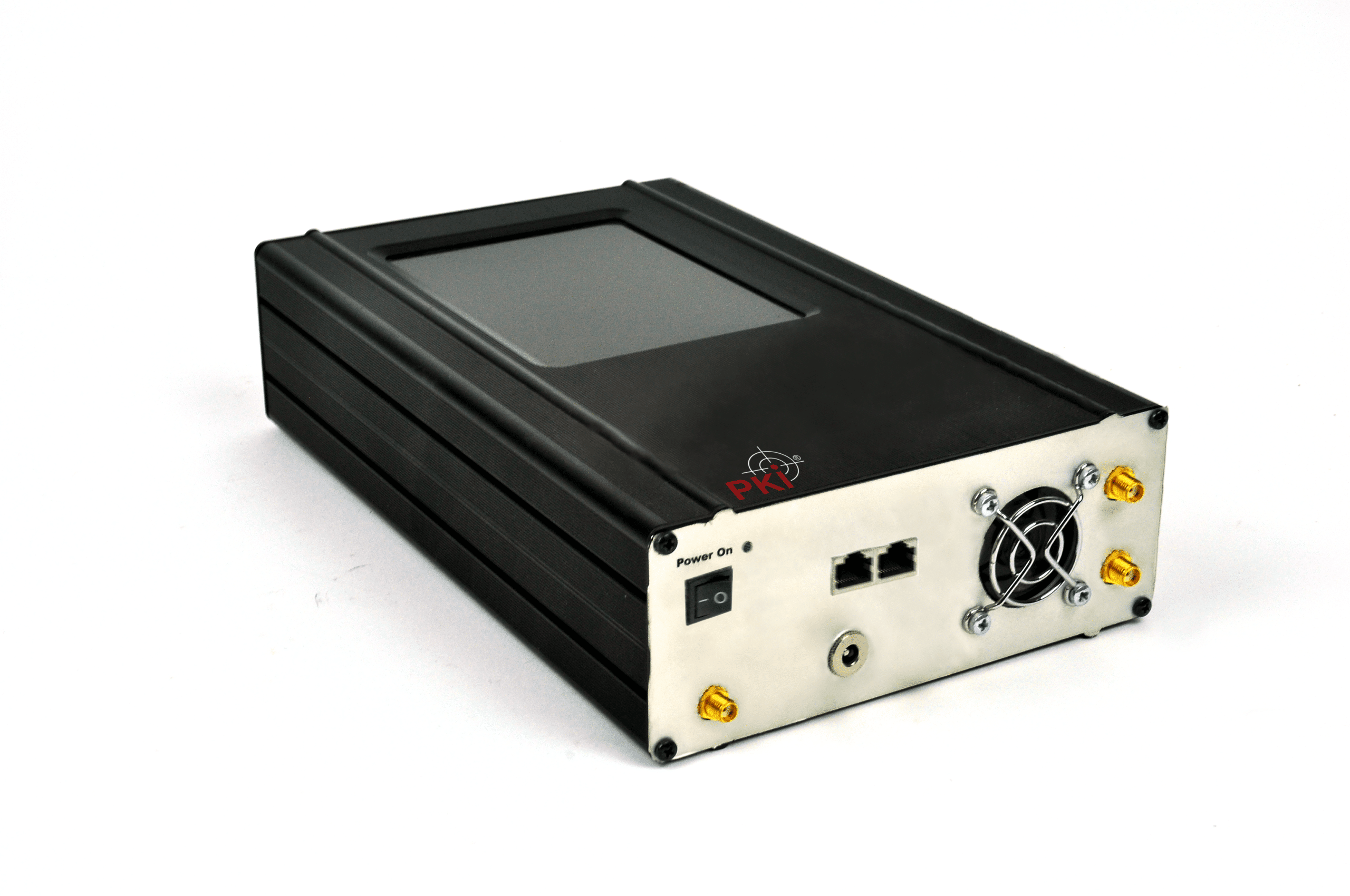
The IMSI Catcher industry revolves around highly specialized telecommunications intelligence tools, commonly known as cell‑site simulators. These systems emulate legitimate mobile base stations to interact with nearby handsets, allowing authorized agencies to identify and, in some configurations, track devices associated with persons of interest. Primary customers include national security agencies, law‑enforcement bodies, military organizations, and in some cases regulated telecom‑security or test‑and‑measurement teams. Vendors operate under strict export‑control regimes and sensitive‑equipment regulations, with procurement usually occurring through classified or tightly controlled government tenders. As mobile networks become critical national infrastructure, IMSI‑catcher capabilities sit within broader lawful‑interception and electronic‑intelligence programs, where oversight, governance, and technical safeguards are increasingly emphasized.
Industry participants provide a spectrum of form factors and capabilities. Solutions range from fixed installations integrated into wider interception frameworks, to vehicle‑mounted, backpack, or drone‑borne units designed for tactical operations in complex environments. Multi‑band and multi‑technology support (2G, 3G, 4G, and increasingly 5G Non‑Standalone) is now standard, with software‑defined radio architectures enabling updates as standards evolve. Many offerings bundle back‑end analysis platforms, mapping interfaces, and case‑management tools so that collected identifiers and metadata can be correlated with lawful investigations. However, the same underlying technology raises significant civil‑liberties and privacy concerns, prompting calls for clear usage policies, robust logging, and judicial authorization mechanisms. Responsible vendors position their products as tools for targeted, proportionate use against serious threats, not indiscriminate mass surveillance.
Regulation and public scrutiny strongly shape the IMSI Catcher industry. In several jurisdictions, courts, parliaments, and data‑protection authorities have pressed for transparency about deployment conditions, retention limits, and redress mechanisms. International export‑control frameworks, such as the Wassenaar Arrangement and national defense‑trade rules, restrict who can purchase advanced interception technology and for what purposes. Telecom standards bodies and mobile‑network operators, meanwhile, continually update security features—authentication, encryption, and mutual‑authentication protocols—that limit what older generations of IMSI‑catcher equipment can access. This interplay between offensive capability, defensive network hardening, and legal oversight defines the industry’s operating envelope and future R&D priorities.
Looking ahead, the IMSI Catcher industry will likely focus on lawful, auditable use in tightly regulated contexts, alongside parallel growth in defensive and detection technologies. As 5G Standalone and future 6G architectures mature, network‑based analytics and standardized lawful‑intercept interfaces may supplant some legacy approaches. Vendors will need to demonstrate compliance‑by‑design, strong cybersecurity of their own systems, and alignment with human‑rights principles to retain market access. At the same time, governments seeking to counter terrorism, organized crime, and hostile state activity will continue to view controlled access to mobile‑network intelligence as strategically important. Balancing these security imperatives with privacy and rule‑of‑law safeguards will remain at the heart of industry evolution.
Top Trending Reports:

 English
 Arabic
 French
 Spanish
 Portuguese
 Deutsch
 Dutch
Dutch
 Italiano
 Russian
 Romaian
 Portuguese (Brazil)
 Greek
Greek