
Key Drivers Accelerating On-Shelf Availability Solution Market Growth Across Global Retailers Today
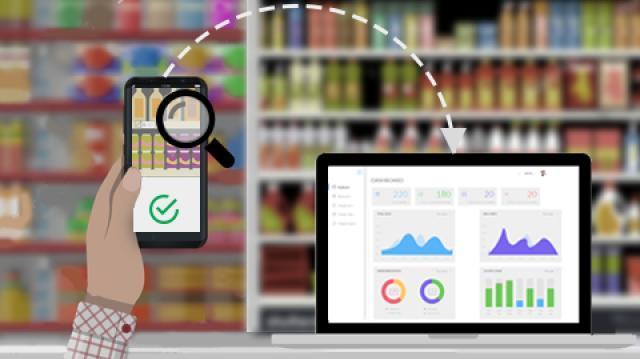
Several structural factors are driving robust On-Shelf Availability Solution Market Growth worldwide. First, the cost of out‑of‑stocks has become more visible and less tolerable. Shoppers now expect near‑perfect availability; when key items are missing, they quickly switch brands or channels, often to e‑commerce alternatives. Retailers and CPGs face heightened competitive pressure and thinner margins, making every lost sale more painful. Second, labor constraints and high turnover mean traditional manual shelf‑checks are increasingly impractical. OSA solutions offer a technology‑enabled way to maintain store standards with fewer, better‑directed resources, directly supporting productivity objectives.
Omnichannel transformation also accelerates On-Shelf Availability Solution Market Growth. Click‑and‑collect and ship‑from‑store models depend on accurate store‑level inventory; when systems say “in stock” but shelves are empty, customer frustration spikes and operational workarounds multiply. OSA technologies help synchronize digital promises with physical reality by quickly flagging mismatches and enabling rapid correction. As retailers leverage stores as mini‑fulfillment centers, the cost of inaccurate inventory is no longer confined to a single missed sale; it reverberates through online cancellations, substitutions, and reduced trust in the brand’s digital proposition.
Technological readiness lowers barriers to adoption. Affordable edge computing, cloud platforms, and high‑resolution cameras make computer‑vision‑based OSA solutions more accessible. Retailers already investing in electronic shelf labels, in‑store Wi‑Fi, and handheld devices can extend these infrastructures with OSA capabilities. Vendor business models—from SaaS subscriptions to outcome‑based pricing tied to sales uplift—help de‑risk deployment. Integration with existing task‑management, workforce‑management, and ERP systems reduces disruption. As success stories accumulate, internal sponsors find it easier to justify pilots and scale‑ups, reinforcing market momentum.
Regulatory and ESG pressures provide additional impetus. Food‑waste reduction targets encourage better rotation and replenishment of fresh items, which OSA tools can support via date and shelf‑monitoring capabilities. Health‑care and regulated categories require precise availability and traceability, pushing pharmacies and specialty retailers toward robust shelf‑management solutions. Meanwhile, brands and retailers seek data‑driven collaboration frameworks that move beyond contentious deductions and chargebacks. OSA solutions supply a shared, objective view of shelf execution, enabling joint business planning and performance‑based agreements. Collectively, these forces suggest that OSA technology will move from innovation budgets into standard operating expenditure as part of long‑term retail‑digitization roadmaps.
Top Trending Reports:
Mobile Collaboration Productivity And Innovation From Workplace Market

 English
 Arabic
 French
 Spanish
 Portuguese
 Deutsch
 Turkish
 Dutch
Dutch
 Russian
 Romaian
 Portuguese (Brazil)
 Greek
Greek